ALL TOPICS
L
o
ve
To
Know
Diet and Nutrition
Gluten Free
Natural Health Remedies
Nutrition Plans
Recipes
Supplements
Vegetarian and Vegan
Fitness
A Better You
Aerobic Exercise
Cross-Training
DIY Routines
Gear and Apparel
Illness and Injury
Strength Training
Yoga
Pregnancy
At Work and Maternity Leave
Baby
Diet and Exercise
Getting Pregnant
Labor and Childbirth
Maternity Clothes
Side Effects and Complications
Trimesters
Your Pregnancy Journey
Skin and body
Brands and Products
Skin Care Tips
Skin Conditions
Tattoo Care
Well-being
Addiction and Recovery
Aging
Mental Wellness
Sleep
Staying Safe
close
Diet and Nutrition
Gluten Free
Natural Health Remedies
Nutrition Plans
Recipes
Supplements
Vegetarian and Vegan
Fitness
A Better You
Aerobic Exercise
Cross-Training
DIY Routines
Gear and Apparel
Illness and Injury
Strength Training
Yoga
Pregnancy
At Work and Maternity Leave
Baby
Diet and Exercise
Getting Pregnant
Labor and Childbirth
Maternity Clothes
Side Effects and Complications
Trimesters
Your Pregnancy Journey
Skin and body
Brands and Products
Skin Care Tips
Skin Conditions
Tattoo Care
Well-being
Addiction and Recovery
Aging
Mental Wellness
Sleep
Staying Safe
Privacy Policy
Terms of Service
Fitness
A Better You
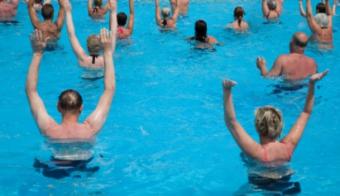
Aquatic Exercises
by Tamsen Butler, B.Sc (Psych)
Aquatic Exercises
by Tamsen Butler, B.Sc (Psych)
All in A Better You
Benefits of Exercise
Exercises for Health Conditions
Tools and Resources
How Long Does It Take to Get in Shape?
By Lindsay Curtis
Key Differences Between Extrinsic and Intrinsic Motivation
By Aubrey Frietas, RBT
9 Ways to Boost Your Immune System (+ Helpful Superfoods)
By Abby McCoy, RN, BSN
How Habit Reversal Training Can Help You Change Your Ways
By Aubrey Frietas, RBT
How Precision Medicine Might Change the Way We Age
By Abby McCoy, RN, BSN
Do You Really Need to Worry About Gut Health?
By Abby McCoy, RN, BSN
13 Ways to Make Better Decisions in Life
By Aubrey Frietas, RBT
Understand Your Gut Microbiome So You Can Harness Its Power
By Abby McCoy, RN, BSN
10 Hacks to Form Healthy Habits That Last
By Aubrey Frietas, RBT
How Many Days Does It Take to Build a Habit?
By Aubrey Frietas, RBT
5 Common Reasons Not to Exercise & How to Overcome Them
By Adrienne Warber
How to Do a Breast Self Exam
By Abby McCoy, RN, BSN
The Many Benefits of Physical Fitness
By Chris Dinesen Rogers
Everything You Need to Know Before Your First Mammogram
By Abby McCoy, RN, BSN
10 Questions Your Personal Trainer Should Ask You
By Tamsen Butler, B.Sc (Psych)
Spotting Before Your Period: What It Means and What to Do
By Malia Frey, CPT, CHC
The 5 Best Exercises to Increase Bone Density
By Malia Frey, CPT, CHC
Understanding Blood Oxygen Levels During Exercise
By Jonathan Thompson, CPT
Charting Exercise Progress: Track Your Way to Better Fitness
By Tamsen Butler, B.Sc (Psych)
Pictures of Exercises for Sexy Glutes
By Tamsen Butler, B.Sc (Psych)
All topics in A Better You
Benefits of Exercise
Exercises for Health Conditions
Tools and Resources
A Better You